


What are the Types of Dental Bridges?
- Flack Flores
- Aug 31, 2023
- 3 min read

A healthy and radiant smile is a cherished asset, enhancing our confidence and overall well-being. Dental care plays a pivotal role in maintaining that smile, addressing various oral health concerns. Among the solutions available, dental bridge stand as an important tool for replacing missing teeth and restoring functionality. Additionally, procedures like wisdom teeth removal have gained prominence in maintaining optimal oral health. This article delves into the world of dental bridges, discussing their types, benefits, and the importance of wisdom teeth removal.
Understanding Dental Bridges
Dental bridges, also known simply as bridges, are prosthetic devices used to fill gaps created by one or more missing teeth. These gaps can result in functional difficulties, such as difficulty in chewing or speaking, as well as aesthetic concerns. Bridges serve as a means to bridge the gap, thereby restoring the appearance and functionality of the smile.
Types of Dental Bridges
Traditional Bridges: Traditional bridges are the most common type and consist of one or more artificial teeth, known as pontics, held in place by dental crowns on the adjacent natural teeth. These crowns are cemented onto the healthy teeth on either side of the gap, creating a stable foundation for the pontic.
Cantilever Bridges: Similar to traditional bridges, cantilever bridges use dental crowns to support pontics. However, they are employed when there is only one adjacent healthy tooth next to the gap.
Maryland Bridges (Resin-Bonded Bridges): These bridges are considered a conservative alternative. They involve a framework of metal or porcelain bonded onto the backs of the adjacent teeth. Maryland bridges are most suitable for replacing front teeth.
Implant-Supported Bridges: In cases where multiple teeth are missing consecutively, implant-supported bridges provide a reliable solution. Dental implants are surgically placed into the jawbone, and the bridge is affixed to the implants, ensuring stability and preventing bone loss.
Benefits of Dental Bridges
Improved Aesthetics: Dental bridges restore the appearance of a complete smile, boosting self-esteem and confidence.
Enhanced Functionality: They enable proper chewing and speaking, which may be compromised due to missing teeth.
Preventing Dental Misalignment: Gaps left by missing teeth can cause neighboring teeth to shift, leading to misalignment. Bridges help maintain proper tooth positioning.
Distributing Bite Force: Bridges distribute the force of chewing evenly, preventing undue stress on surrounding teeth.
Preservation of Facial Structure: Missing teeth can cause the face to appear sunken. Bridges help maintain the natural shape of the face.
Wisdom Teeth Removal: A Crucial Step in Oral Health
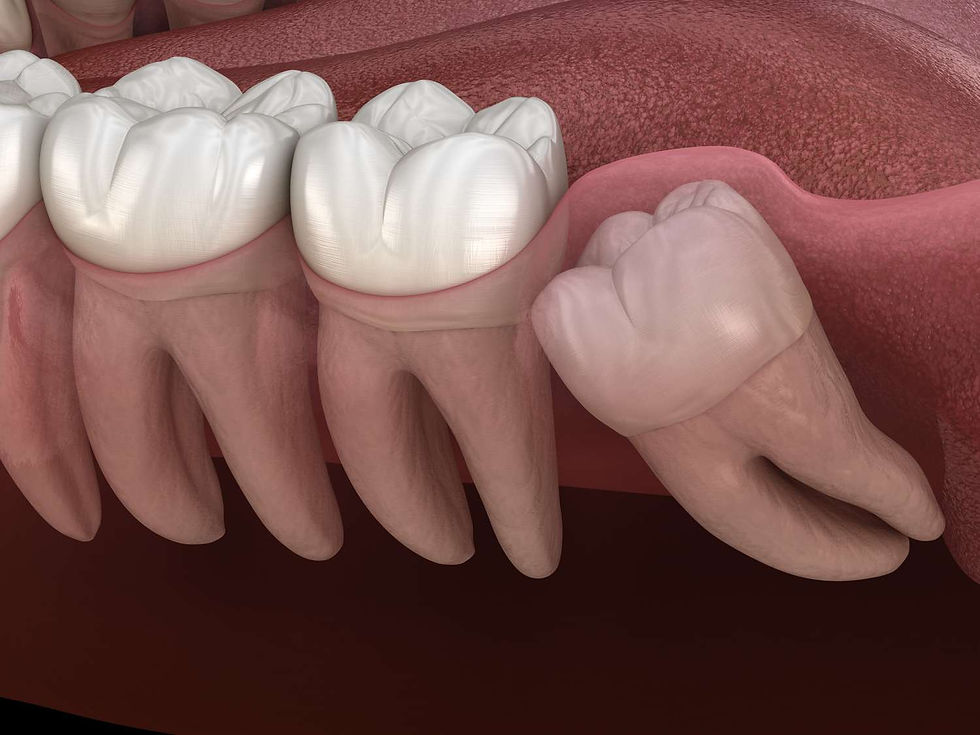
Wisdom teeth, also known as third molars, typically emerge between the ages of 17 and 25. In many cases, these teeth do not have enough space to grow properly, leading to potential oral health issues. Wisdom teeth removal is a common procedure aimed at preventing various complications, including:
Impacted Wisdom Teeth: Lack of space can cause wisdom teeth to become trapped or impacted within the jawbone, leading to pain, infection, and damage to adjacent teeth.
Infection: Partially erupted wisdom teeth can create an opening for bacteria to enter, causing infection and inflammation known as pericoronitis.
Misalignment: Wisdom teeth can exert pressure on existing teeth, leading to crowding, shifting, or misalignment.
Cyst Formation: Cysts can form around impacted wisdom teeth, potentially damaging the jawbone and surrounding teeth.
Conclusion:
Dental bridges offer a lifelike solution to the challenge of missing teeth, enhancing both the appearance and functionality of your smile. Understanding the various types of dental bridges enables individuals to make informed decisions about their oral health. Additionally, wisdom teeth removal stands as a preventive measure against potential oral health complications that can arise in early adulthood. Consulting with a qualified dentist is essential in determining the most suitable treatment plan, whether it involves dental bridges or wisdom teeth extraction, ultimately contributing to a lifetime of optimal oral health and a confident smile.


Comments