


How much do Dental Implants Cost on Average?
- Flack Flores
- Sep 29, 2023
- 3 min read

The decision to pursu.e dental implants can be life-changing, providing a long-term solution for missing teeth and restoring your smile's function and aesthetics. However, one of the critical factors that individuals consider when opting for dental implant cost. In this article, we will explore the average cost of dental implants, what factors influence the price, and why they are considered a valuable investment in your oral health and overall well-being.
The Basics of Dental Implants
What Are Dental Implants?
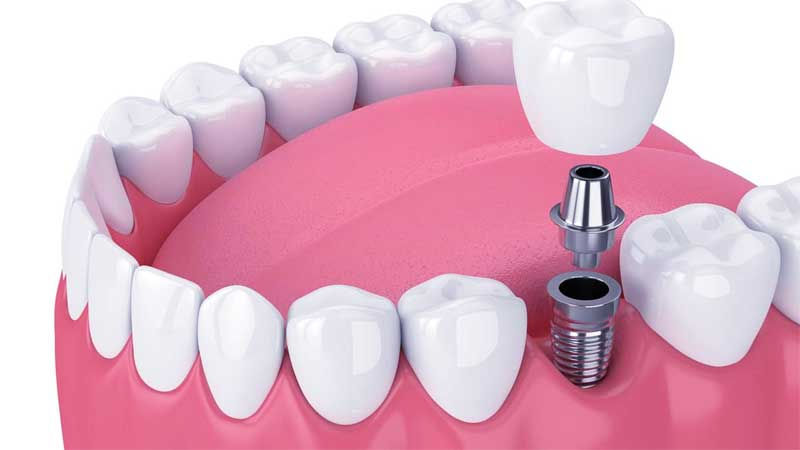
Dental implants are artificial tooth roots made from biocompatible materials like titanium or zirconia. They are surgically placed into the jawbone to serve as a stable foundation for replacement teeth, such as crowns, bridges, or dentures. Dental implants offer numerous benefits, including improved chewing ability, enhanced speech, and a natural appearance.
Average Cost of Dental Implants
National Average
The average cost of a single dental implant in the United States typically ranges from $2,000 to $4,000, with additional costs for abutments and crowns. This cost can vary significantly based on geographic location and the complexity of the procedure.
Factors Influencing Cost
The overall cost of dental implants can be influenced by several factors, including:
Number of Implants: Replacing a single tooth with an implant is less expensive than a full-arch restoration, which may require multiple implants.
Implant Material: Different implant materials have varying costs. Titanium implants are more commonly used and tend to be more cost-effective than zirconia implants.
Preparatory Procedures: Some patients may require additional procedures like bone grafting or sinus lifts to ensure a strong foundation for the implant. These procedures can add to the overall cost.
Implant Dentist's Expertise: The experience and expertise of the implant dentist can affect the cost. Highly skilled specialists may charge more for their services.
Location: The cost of living and demand for dental services in your geographic area can impact the price of dental implants. Urban areas may have higher costs compared to rural regions.
Insurance Coverage: Dental insurance plans vary in their coverage for implant procedures. Some plans may cover a portion of the cost, while others may offer no coverage at all.
Breaking Down the Costs
Initial Consultation
The dental implant process typically begins with an initial consultation, during which the implant dentist assesses your oral health and develops a treatment plan. This consultation often incurs a separate fee.
Implant Placement
The cost of implant placement involves the surgical procedure itself, the implant material, and any necessary anesthesia or sedation. This is a significant portion of the overall cost.
Abutment and Crown
After the implant has integrated with the jawbone, an abutment is attached to the implant, followed by the placement of a custom-made crown. These components are essential for restoring the appearance and function of the missing tooth.
Follow-Up Appointments
Post-implant placement, you will have follow-up appointments to monitor healing and ensure the implant is functioning correctly. These visits are typically included in the overall cost.
Financing Options
Dental Insurance
While dental insurance plans may not always cover the entire cost of dental implants, they may provide partial coverage for certain aspects of the procedure. It's crucial to review your insurance policy to understand your coverage and potential out-of-pocket expenses.
Dental Discount Plans
Some dental offices offer dental discount plans that can reduce the cost of dental implant treatment for members. These plans often provide discounted rates on various dental procedures.
Payment Plans
Many implant dentists offer flexible payment plans that allow patients to spread the cost of dental implants over a specified period. This can make the procedure more affordable for individuals on a budget.
Health Savings Accounts (HSAs) and Flexible Spending Accounts (FSAs)
HSAs and FSAs allow individuals to use pre-tax dollars for eligible medical expenses, including dental implants. Using these accounts can provide tax benefits and make dental implant costs more manageable.
The Value of Dental Implants
Longevity and Durability
Dental implants are renowned for their durability and longevity. With proper care, they can last a lifetime, making them a cost-effective choice compared to other tooth replacement options that may require frequent repairs or replacements.
Improved Quality of Life
Dental implants offer a significant improvement in the quality of life. They restore the ability to eat, speak, and smile confidently, which can have a positive impact on overall well-being.
Preservation of Jawbone Health
Unlike some alternatives, dental implants stimulate the jawbone, preventing bone loss and maintaining facial structure. This has long-term health benefits beyond just replacing missing teeth.
Conclusion:
While the average cost of dental implants may seem substantial, it's essential to view them as a valuable investment in your oral health and overall quality of life. Dental implants offer durability, functionality, and aesthetics that can far outweigh the initial expense. By exploring financing options, insurance coverage, and the expertise of your implant dentist, you can make dental implants a realistic and rewarding choice for tooth replacement.


Comments